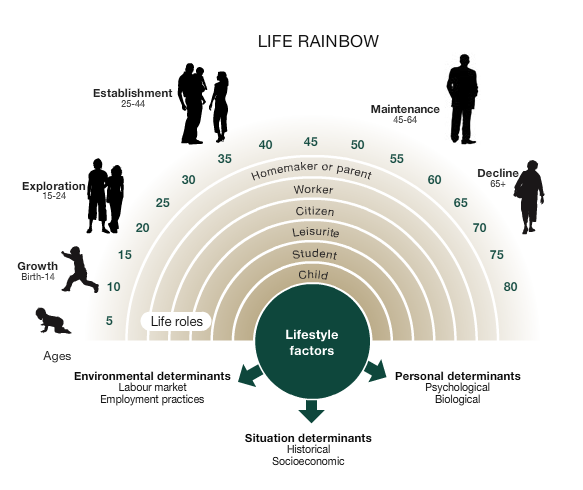
Assess Your Life Stage and Responsibilities
Every person’s journey unfolds in stages. Whether you are entering adulthood, raising a family, or preparing for retirement, understanding your current life stage and the responsibilities that come with it helps you make smarter choices about money, career, relationships, and personal well-being.
This guide walks you through why assessing your life stage matters, how to evaluate your current responsibilities, and how to plan ahead as your life evolves.
Why Your Life Stage Matters
Life isn’t static; it’s a series of transitions. Each stage brings new opportunities and new challenges:
-
Early adulthood may be about education, career building, and independence.
-
Family-building years introduce childcare, homeownership, and long-term savings goals.
-
Midlife often includes career peak years, caring for aging parents, and planning for retirement.
-
Later years shift focus toward enjoying the fruits of your work and protecting your legacy.
When you understand where you are, you can align your goals and responsibilities with reality—avoiding stress, financial missteps, or missed opportunities.
Step 1: Identify Your Current Life Stage
Everyone’s timeline is unique, but many people pass through similar broad stages. Recognizing your current phase helps you prioritize.
1. Emerging Adult (Late Teens to 20s)
Key focus: Education, career launch, personal identity.
-
Responsibilities: Building skills, managing student debt, establishing financial independence.
-
Priorities: Budgeting, starting an emergency fund, exploring career paths.
2. Young Professional / Early Career (20s–30s)
Key focus: Career development, relationships, and possibly starting a family.
-
Responsibilities: Managing income, housing decisions, building credit.
-
Priorities: Investing early, buying first home, considering life and health insurance.
3. Family-Building Years (30s–40s)
Key focus: Parenting, career growth, financial stability.
-
Responsibilities: Childcare costs, saving for education, mortgage payments.
-
Priorities: Strong insurance coverage, retirement savings, estate planning.
4. Midlife / Career Peak (40s–50s)
Key focus: Maximizing earning potential, caring for both children and aging parents.
-
Responsibilities: College tuition, elder care, paying down debt.
-
Priorities: Increase retirement contributions, evaluate long-term care insurance.
5. Pre-Retirement (50s–60s)
Key focus: Transitioning from accumulation to preservation of wealth.
-
Responsibilities: Final mortgage payments, supporting older children, planning healthcare in retirement.
-
Priorities: Review retirement plan, adjust investments to reduce risk, update estate documents.
6. Retirement and Later Life (60s+)
Key focus: Financial security, health, and legacy.
-
Responsibilities: Managing withdrawals, healthcare needs, supporting charities or family.
-
Priorities: Income planning, healthcare coverage, preserving assets for heirs.
Step 2: Evaluate Your Core Responsibilities
Once you know your stage, assess the responsibilities that shape your daily life and long-term plans.
a. Financial Responsibilities
-
Income management: Are you living within your means?
-
Debt: Student loans, credit cards, or mortgage obligations.
-
Savings: Emergency fund, retirement contributions, college savings.
-
Insurance: Health, life, disability, property coverage.
b. Family and Relationship Responsibilities
-
Supporting a partner or spouse financially and emotionally.
-
Raising children or planning for them.
-
Caring for elderly parents or other dependents.
-
Building and maintaining healthy relationships.
c. Career and Professional Responsibilities
-
Meeting job expectations and advancing in your field.
-
Continuing education or certifications.
-
Planning for future career changes or business ventures.
d. Personal and Health Responsibilities
-
Maintaining physical and mental health.
-
Cultivating personal growth, hobbies, and self-care.
-
Managing stress and balancing work-life commitments.
Listing these responsibilities helps clarify what demands most of your time, energy, and money.
Step 3: Analyze Your Resources and Constraints
Responsibilities must be balanced with resources. Consider:
-
Financial resources: Income streams, investments, and savings.
-
Time resources: Hours available after work and essential duties.
-
Support systems: Family, friends, community networks.
-
Skills and education: Your ability to adapt or pivot.
Understanding constraints—like limited savings or health challenges—helps you plan realistically.
Step 4: Set Goals Aligned with Your Life Stage
Goals give direction to your responsibilities.
-
Short-term goals: 6–12 months (paying down a credit card, taking a professional course).
-
Medium-term goals: 1–5 years (buying a home, funding a child’s early education).
-
Long-term goals: 5+ years (retirement savings, creating a legacy).
Use the SMART framework: Specific, Measurable, Achievable, Relevant, Time-bound.
Example:
Instead of “save more,” aim for “save $5,000 in an emergency fund within 12 months by setting aside $420 per month.”
Step 5: Review and Adjust Regularly
Life stages overlap and shift. A career move, marriage, divorce, or sudden illness can accelerate or change responsibilities overnight.
-
Review your finances and responsibilities at least once a year.
-
Update insurance policies, wills, and savings goals after major life events.
-
Stay flexible—plans should adapt as your needs evolve.
Step 6: Plan for Future Transitions
Anticipating the next stage helps reduce stress.
-
If you’re single and independent, consider how marriage or children might change your financial needs.
-
In midlife, think ahead about supporting aging parents or funding children’s college education.
-
Near retirement, focus on healthcare planning, estate management, and income strategies.
Planning ahead allows you to make incremental changes rather than drastic last-minute adjustments.
Step 7: Seek Professional Guidance When Needed
Complex responsibilities—like managing investments, estate planning, or elder care—often require expert advice.
-
Certified financial planners (CFPs) can help with retirement and investment strategies.
-
Estate attorneys assist with wills, trusts, and inheritance planning.
-
Career coaches or mentors guide you through professional transitions.
Common Mistakes to Avoid
-
Living for today only: Neglecting long-term planning leads to financial stress later.
-
Over-insuring or under-insuring: Misjudging your protection needs can either waste money or leave you vulnerable.
-
Failing to update plans: Outdated beneficiaries, wills, or budgets create confusion and risk.
-
Ignoring self-care: Health neglect undermines all other responsibilities.
Bringing It All Together
Assessing your life stage and responsibilities is not a one-time exercise. It’s a continuous process of reflection and planning:
-
Identify your current life stage.
-
Evaluate financial, family, career, and personal responsibilities.
-
Analyze resources and constraints.
-
Set SMART goals aligned with your stage.
-
Review and adjust as life changes.
By regularly taking stock, you’ll make decisions—financial, personal, and professional—that reflect where you are today and where you want to go tomorrow.
Final Thoughts
Understanding your life stage and responsibilities gives you clarity and confidence. It allows you to:
-
Prioritize what matters most.
-
Protect yourself and your loved ones financially.
-
Prepare for the next chapter without fear.
Whether you are just starting out, raising a family, or enjoying retirement, self-awareness and proactive planning will help you navigate transitions smoothly and build a life that reflects your values and aspirations
Leave a Reply