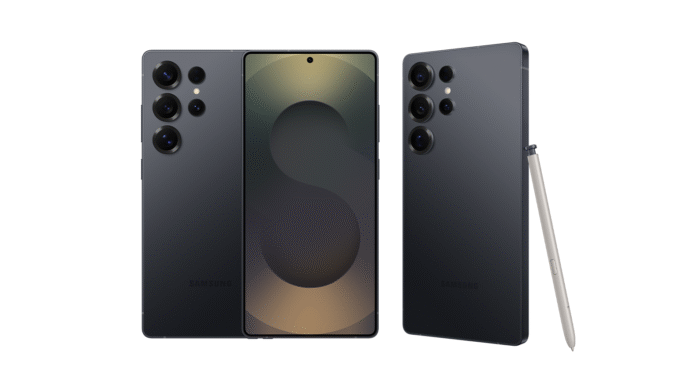
Driving Innovation in Samsung’s Phone Lineup
Samsung has long led in the Android ecosystem on innovation — displays, foldables, camera systems, etc. In 2025, Samsung’s focus has sharpened around a few major pillars: AI & on-device intelligence, privacy & security, display & design refinements, software support & ecosystem integration, and performance & efficiency. Let’s dig into each.
1. Artificial Intelligence & On-Device Intelligence
One of the most significant shifts in Samsung’s recent phones is the deep integration of artificial intelligence — not just as a gimmick, but built in functionality that aims to improve user experience, creativity, productivity.
-
Galaxy AI & Galaxy AI companion: With the Galaxy S25 series, Samsung is pushing the concept of a true AI companion. This includes things like “Now Brief,” “Circle to Search,” generative editing, and features that adapt to your behavior. Samsung Mobile Press+2Daily Tribune+2
-
On-device AI/NPU (Neural Processing Unit) enhancements: These allow features like generative edit, audio eraser, background object removal, scene optimization to be done locally rather than relying heavily on cloud. This is better for responsiveness and privacy. Daily Tribune+2Tech Uncut+2
-
AI in mid-range series: It’s not just the S-series. Samsung is bringing some of the AI features (though sometimes with simpler sensors or less powerful NPUs) into the A-series models, expanding access. Samsung Newsroom+1
2. Privacy & Security
As phones become more powerful and deal with more personal and sensitive data, Samsung is also increasing its attention to security and privacy.
-
Knox Vault and Personal Data Engine: Samsung has been emphasizing hardware-level protections. The Personal Data Engine isolates data generated on device for Galaxy AI features, protects it so that apps can’t access more than they should. Samsung Mobile Press+1
-
End-to-end security across software ecosystem: At MWC 2025, Samsung showed not only device-level features but also how it is pushing secure, software-centric networks, meaning better protection across connectivity, cloud, and network infrastructure. Samsung Mobile Press+1
-
Projections also point towards privacy features that let users control visibility (like limiting screen viewing angles) and avoiding unnecessary data leaks. Some leaks around S26 show features like “Flex Magic Pixel” for privacy, which prevent side-view display visibility. Tom’s Guide
3. Display, Design & Form Factor Innovation
Samsung continues refining what users physically interact with: display tech, foldables, ergonomics, and materials.
-
Foldables: The Galaxy Z Fold 7 and Z Flip 7 represent further maturity in the foldable space: thinner hinge mechanisms, better durability, improved multitasking. The Fold 7 also supports many of the Galaxy AI features optimized for its type of display (large internal screen, Flex Mode). AP News+2Rank1one+2
-
Slimmer flagships: Models like the S25 Edge are meant to push boundaries on how thin a phone can be while still retaining high performance and AI functionality. Reuters+1
-
Display tech enhancements: Improvements in OLED, better color accuracy, energy efficiency, perhaps even new display materials (thinner layers, color filter optimizations) to make screens brighter, thinner, or more power-efficient. Tom’s Guide+1
4. Performance, Efficiency & Battery / Thermal Management
More performance is always welcome, but what matters more is consistent performance without overheating or battery drain.
-
Samsung is using upgraded chipsets (e.g. Snapdragon 8 Elite for Galaxy or equivalent) with better NPU, GPU, and CPU efficiencies. These chips aim to deliver strong performance particularly for AI workloads. ippmedia.com+3TechRadar+3Samsung Mobile Press+3
-
Thermal design improvements: Larger vapor chambers, improved thermal interface materials. This helps phones handle demanding tasks for longer (gaming, video editing, AI features) without overheating. Daily Tribune+1
-
Battery life and power efficiency: As AI and display improvements demand more resources, managing power consumption becomes critical. On-device AI means less reliance on network/cloud (which also consumes power and data). Software and hardware optimizations are a big part. Daily Tribune+1
5. Software Support, Ecosystem & Longevity
Samsung seems increasingly focused on not just pushing hardware specs, but ensuring devices stay relevant and useful for longer.
-
Longer software & security updates: The new Z Fold 7, Z Flip 7, and S25 series are promised extended OS and security support (many sources say around 7 years). This matters for users who keep their phones for 3-5+ years. Wikipedia+1
-
Ecosystem integration: AI features that work across phones, tablets, watches, and home devices. Features like SmartThings, home device control, health insights, cross-app automation are more tightly integrated. Samsung Mobile Press+1
-
Accessible innovation: Not everything is flagship-only. Samsung is pushing AI and better update promises even in mid-range A-series devices, making newer tech more accessible. Samsung Newsroom+1
Emerging & Forthcoming Innovations (What to Watch)
Here are some of the upcoming or rumored features that may push Samsung’s phones even further:
-
Broader AI agent integration: The Galaxy S26 is rumored to support multiple AI agents beyond just Bixby and Google Gemini — for instance, potential integration with Perplexity AI. This means more options and perhaps more competition in the AI assistant space. Tom’s Guide
-
Display privacy tech: “Flex Magic Pixel” is one example for S26 Ultra, designed to reduce viewing angles for privacy. Tom’s Guide
-
Enhanced chipsets: Next generation Snapdragon (8 Elite Gen 5) with improvements in performance, power efficiency, graphics, and AI tasks. TechRadar+1
-
More Mid-range AI inclusivity: Features like “Awesome Intelligence” or equivalent bringing more of the high-end AI-based photo/video editing tools and smart features into more affordable models. Samsung Newsroom+2Rank1one+2
Why These Innovations Matter
These improvements are more than feature checkboxes; they address real user needs, and they help Samsung differentiate from competitors. Here’s why they make a difference:
-
User Experience: Faster AI, better photos, useful tools save time and make phones more capable, which matters in a world where a phone is central to work, creation, communication.
-
Privacy & Trust: With data concerns growing, hardware-based security, better privacy settings, and on-device AI all help build trust.
-
Longevity & Value for Money: Devices that get updates for many years, maintain performance under stress, and receive software improvements tend to hold value longer—both practically and in resale.
-
Differentiation in crowded market: Many phones now offer similar specs. AI integration, display tech, design, thrive when they offer a tangible improvement rather than just incremental spec bumps.
Challenges & Trade-Offs
Innovation doesn’t come without costs or trade-offs. Some of the ones Samsung appears to be navigating:
-
Complexity vs. Reliability: More features (AI, foldables) mean more potential failure points (hinges, sensors, software bugs). Samsung needs to ensure durability.
-
Power / Heat / Battery Life: AI, high-refresh displays, multilens cameras – all of these stress battery and thermal management. Users will notice if battery doesn’t last under heavy usage.
-
Cost: Premium features drive up price. Samsung has to balance offering high-end innovation without making devices prohibitively expensive. The risk is flagship prices become too niche.
-
User Adoption Clarification: Some features may sound cool in marketing (object eraser, generative edits), but how many users leverage them often? If a feature is underused or poorly understood, its value is limited.
-
Trade-off for mid-range devices: To bring innovation down to more affordable phones, Samsung may have to limit some hardware (sensors, build materials) which can reduce the impact of the innovation.
What Users Should Keep an Eye On
If you’re considering a Samsung phone now or making your next upgrade, here’s what to evaluate so you get innovations that matter to you:
-
AI features and whether they run on device
If you care about privacy, speed, or offline usage, favor models with strong on-device AI rather than ones that offload everything to cloud. -
Update policy and software longevity
Phones that get OS + security updates for many years are more future proof. -
Display quality and design durability
Slimness is nice, but screen durability, hinge strength (for foldables), resistance to water/dust all matter. -
Thermal management and battery performance under load
Reviews that test gaming, video editing or heavy multitasking are useful. How does the phone stay cool? How fast does it drop battery life under heavy use? -
Privacy tools
Look for features like screen privacy options, Knox, data isolation, privacy dashboards. -
How well mid-range phones get flagship-like innovations
If your budget isn’t for top flagships, check what newer A-series or mid-tier models offer: AI editing, faster chipsets, display quality, etc.
Conclusion
Samsung’s innovation in its 2025 phone lineup is clearly pushing toward AI integration, user privacy, better displays, more durable and versatile designs, and lasting software support. They’re not just chasing specs; they’re trying to advance useability, longevity, and value.
As a user or potential buyer, the key is to match what innovations matter to you — whether that’s camera power, design slimness, AI tools, or long-term reliability — and not just be swayed by flashy marketing. If Samsung keeps on its current path, the next few generations look to give more meaningful improvements than we’ve seen in past incremental cycles.
Leave a Reply