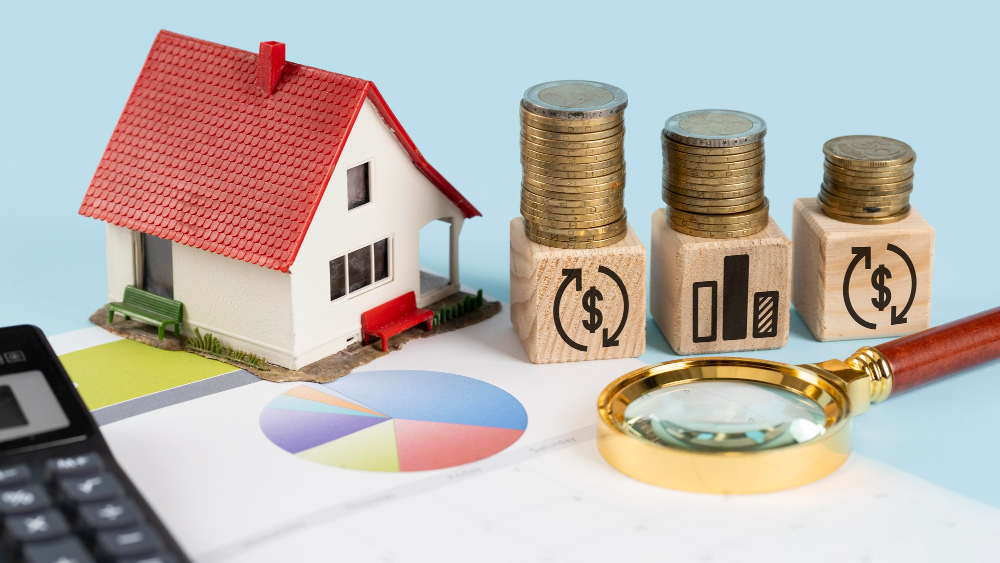
Why Real Estate in 2025 Can Be a Smart Move for Your Finances
1. Inflation Hedge & Value Preservation
-
Real estate is known to hold (or even increase) value during inflationary periods. As the cost of goods, labor, and materials rises, property values and rents often increase in tandem. This means the real asset helps preserve purchasing power. vaishnaviresidences.com+2Kingres Property Ltd+2
-
In many markets, rental income increases over time, helping to offset the rising costs of maintenance, property taxes, and other operating expenses. vaishnaviresidences.com+1
2. Dual Returns: Income + Appreciation
-
Real estate typically offers two kinds of returns: ongoing cash flow (from rents) and capital appreciation (the increase in the property’s value over time). This dual benefit can make property investments more robust compared to assets that rely mostly on appreciation (e.g., some equities). skhai.com+2vaishnaviresidences.com+2
-
In 2025, demand for housing (and commercial/industrial space in certain sectors) continues underpinned by urbanization, changing work patterns (remote or hybrid work), and demographic shifts — all contributing to potential appreciation. Kumar Builder+2Outlook Money+2
3. Favorable Trends & Government Incentives
-
Many governments are offering incentives or tax breaks for real estate investment, especially in sectors like affordable housing, sustainable/smart homes, or in emerging areas. These can help reduce upfront costs or ongoing tax burdens. Kumar Builder+2vaishnaviresidences.com+2
-
In some locations (like Thailand), policy changes, low borrowing costs, or special developer perks are making property investment more attractive. CondoDee+1
4. Emerging Opportunities & Market Shifts
-
Suburban & Secondary City Growth: As remote/hybrid work becomes more embedded, many people are moving away from dense city centers to suburbs or smaller cities. Lower cost of living + demand for more space = potential for high growth in these areas. Oxford English+2Outlook Money+2
-
Mixed-Use & Flexible Space: Trends show more value in properties that combine residential, commercial, and live-work spaces. Mixed-use developments often provide diversified income streams. Forbes+1
-
PropTech & Efficiency Gains: Technology (AI, better valuation tools, property management systems, data analytics) is making the investment process more transparent, cheaper, and more efficient. That reduces risk and improves decision making. Contrank+1
5. Diversification & Lower Correlation with Other Assets
-
Real estate doesn’t always move in lockstep with the stock market. When equities or bonds are volatile, real estate (especially rental income) can provide stability. This helps smooth out returns in a diversified portfolio. Medium+2skhai.com+2
-
There are different real estate asset classes: residential, commercial, industrial/logistics, data centers, etc. Having exposure in more than one type can further spread risk. Forbes+1
6. Strong Demand & Limited Supply
-
Many regions continue to face housing shortages, rising population, and urban migration, which supports property demand. Outlook Money+1
-
Regulatory, material, labor, and land constraints often slow down how quickly new supply can catch up. This supply tightness can push prices upward over time. Contrank+1
7. Tax Advantages & Financing Leverage
-
Many real-estate investment structures allow for deductions (mortgage interest, depreciation, property taxes, repair costs) that reduce taxable income. King & Edge Real Estate+1
-
Financing real estate often allows for leverage—you invest a relatively smaller amount of your own money (down payment), borrow for the rest. If the property appreciates, your return on your invested capital can be magnified (though leverage also adds risk).
Risks & What to Be Mindful Of
While real estate in 2025 has many favorable aspects, it’s not without risk. You should understand and plan for them:
-
Interest Rates & Financing Costs: If mortgage rates are high (or rise further), loan costs increase, reducing cash flow. People investing now need to be careful about financing terms.
-
Maintenance, Vacancy & Operating Costs: Properties require upkeep. If tenants vacate or rents drop (due to economic slowdown), income could suffer.
-
Regulation & Tax Policy Changes: Laws on property taxes, rental regulation, zoning, foreign ownership can change. These changes can affect profitability.
-
Market Liquidity: Real estate is less liquid than stocks—selling a property takes time and costs (commissions, closing, etc.).
-
Location Risk & Environmental Risks: Properties in areas prone to climate change disasters (floods, wildfires), or in declining neighborhoods, carry risk. Also, sustainability expectations may impose higher renovation or compliance costs.
How Real Estate Investment in 2025 Can “Save” Your Finance (i.e. Improve / Protect Your Financial Health)
Putting together the benefits and risks, here’s how investing in real estate in 2025 can provide financial protection or enhancement:
-
Wealth Preservation against inflation and economic uncertainty. If you have cash savings, real estate helps protect those savings from losing value.
-
Regular Income Stream to cover expenses or reinvest elsewhere, which enhances your financial stability.
-
Long-Term Equity Building — paying down mortgage and increasing property value builds equity, giving you assets you can leverage in the future.
-
Portfolio Resilience so that adverse movements in one asset class (stocks, bonds) are offset by steadier real estate returns.
-
Potential Tax Savings reduce your overall tax burden, freeing up cash flow or enabling reinvestment.
Practical Tips to Maximize Gains & Minimize Risks
If you decide real estate investment makes sense for you in 2025, here are practical strategies:
-
Research Local Markets Carefully
Don’t just buy property in the nearest city. Look for growing regions, infrastructure investment, affordable neighborhoods with increasing demand. -
Focus on Cash Flow Before Appreciation
A property that covers all costs and still gives a positive cash flow is less risky. Appreciation is good, but high leverage on expected appreciation alone can be dangerous. -
Use Leverage Carefully
Borrowing can improve returns, but overextending yourself is risky. Make sure your loan payments leave enough buffer for vacancies or emergencies. -
Seek Properties with Tax or Incentive Benefits
Properties or locations that get government incentives, tax breaks, or favorable regulation can improve returns. For example, sustainable/green properties, properties in emerging zones, or ones with favorable financing or ownership conditions. -
Lean on Technology & Data
Use data tools, proptech, AI, digital platforms to analyze price trends, management expenses, rental demand. Better data helps make better investment decisions. -
Diversify Real Estate Exposure
You might consider different property types (residential, commercial, mixed-use) or different geographical areas. Also, for those who don’t want to own physical property, consider REITs or real estate stocks for more liquid exposure. -
Plan for Exit or Backup
Always have a plan for what to do if things change: can you sell, rent it out, convert it, refinance? Have contingency funds for repairs, vacancies, or regulatory changes.
Is Real Estate Right for You in 2025?
Here are some self-assessment questions to help you decide:
-
Do you have enough capital for down payment + reserves (for repairs, vacancies)?
-
Are you okay dealing with property management (tenants, contracts, repairs) or would you need someone else to do it?
-
Can you secure financing at reasonable terms?
-
How long do you plan to hold the property? (Real estate works better over longer horizons.)
-
What is your risk tolerance (willingness to weather vacancies, interest rate rises, market dips)?
Conclusion
In 2025, real estate investment remains one of the strongest ways to protect, grow, and diversify your financial portfolio. With inflation, shifting work and living patterns, government incentives, and strong demand in many markets, real estate offers a compelling combination of income potential and value preservation.
However, like all investments, it’s not a guarantee. The upside tends to favor those who do their homework, plan well, and hedge their risks. If you go into real estate with realistic expectations, a long-term mindset, and careful risk management, it can in many cases be a powerful tool to “save your finance” — i.e., make your financial foundation stronger and more resilient.
Leave a Reply